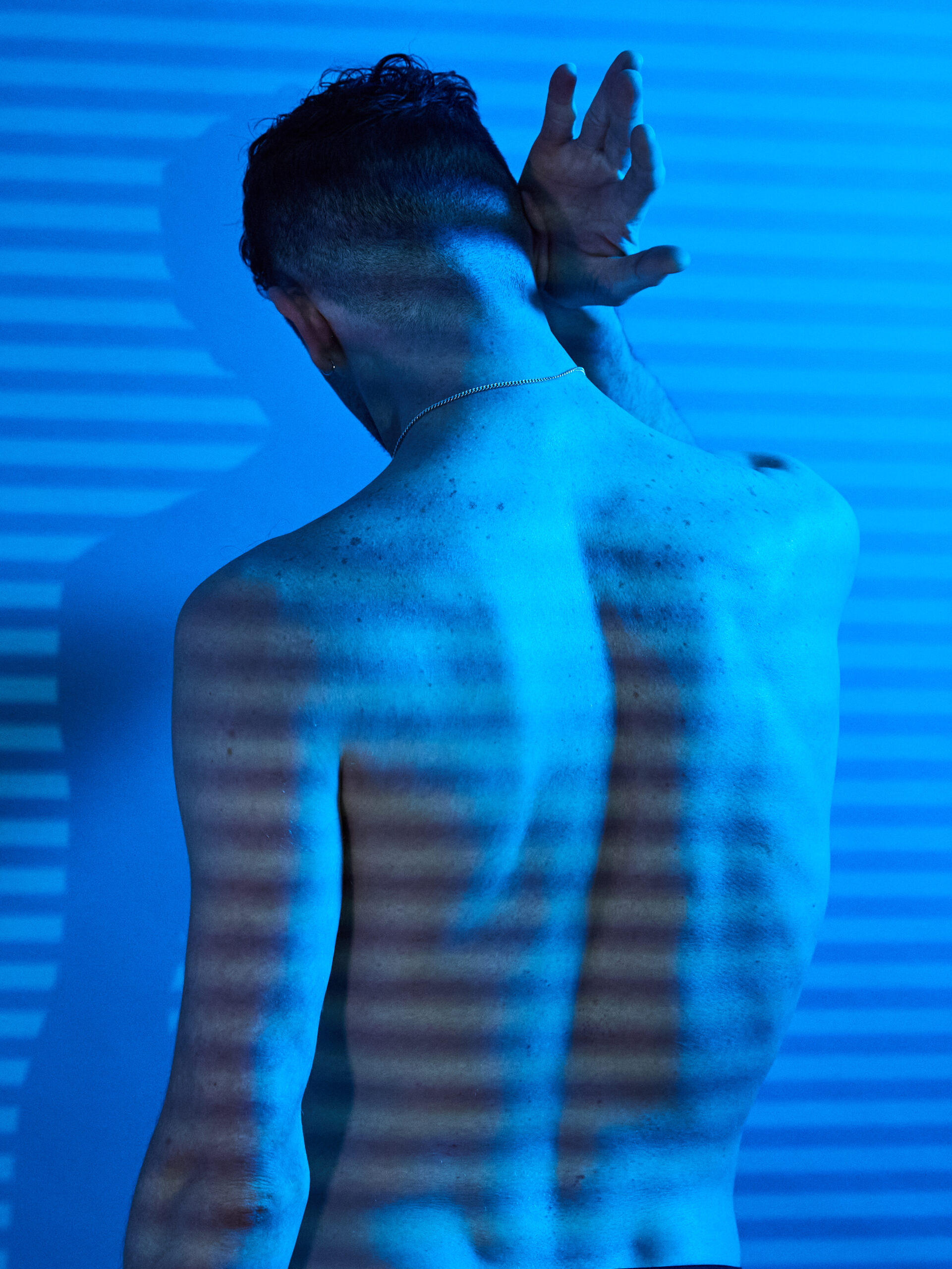



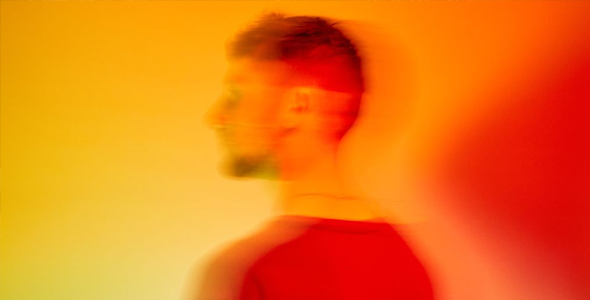
Tom Leah, better known as Werkha, is a Manchester-based multi-instrumentalist, DJ, and producer whose work blends electronica, jazz, breaks, and acoustic textures. His latest album, Unsung Irregular—released on First Word Records—turns his personal experience with scoliosis into a deeply moving and sonically rich exploration of hidden conditions.
More than a reflection on chronic pain, the project celebrates movement, resilience, and the transformative power of music to turn discomfort into rhythm. With collaborations from Daudi Matsiko and Ríoghnach Connolly, the album captures both the intimate details of lived experience and the universal beauty of overcoming challenges.
We sat down with Werkha to discuss his journey with scoliosis, the creative process behind Unsung Irregular, and the ways music, movement, and nature continue to shape his life and artistry.
—
Can you share a bit about your journey with scoliosis and how it has shaped both your life and your identity as an artist?
My scoliosis was discovered after getting a strange football injury checked out and they realised I had a curved spine. After discussing my options, I declined corrective surgery – I think really because I was afraid of losing my mobility, something that is central to my lifestyle. Scoliosis has taught me a great deal about confronting physical conditions and not brushing them under the carpet, something I’ve definitely been guilty of in the past. This record is me doing exactly that – acknowledging scoliosis, putting the condition in front of me in a very public way, and ultimately changing the way I’m perceived.
Your album Unsung Irregular celebrates hidden conditions. What made you want to channel your scoliosis experience into music rather than speak about it more directly?
I think music is still a veiled way of presenting my experiences, so I still don’t really have to speak about it directly. Everyone deals with the condition in their own way, the album is grounded in my own experiences, but it’s open to interpretation – that’s the advantage of not directly pinpointing or defining the message, it allows others to relate to the music in their own way. It’s the beauty of interpreting a picture painted with sound.
You’ve spoken about disguising your own screams in the track S-Bend to represent pain. Was it difficult to bring something so personal and raw into your music?
I don’t think so, it felt like it fitted the song and in turn, made it feel like the right thing to do. There’s a lot of very personal meaning woven into the music, but I’ve always felt that if the sound complements the intention behind a song, then it brings a sense of ‘completeness’ to the process.
What do you think are the biggest misconceptions people have about hidden conditions like scoliosis?
I guess that we have an answer to the condition. It often feels like it’s a question of form over feeling – that people see the physical effects but don’t understand the pain and hidden impact that we deal with. The physical imbalance, constantly battling the feeling of being lopsided. I never realised how little scoliosis is talked about, yet how common it is – since working on this record and talking about it, it’s changed the behaviour of people around me, they might ask me how I am or offer me a chair or the bed, when perhaps before I might have had the sofa. Little things, but impactful.
How do you manage the physical demands of performing live while navigating scoliosis?
I love performing live – the adrenaline rush overcomes everything: tiredness, pain, aching. Music really is an escape, for both me and the audience. For the 45 minutes on stage, I’m pain-free, my body isn’t even considering pain; that role of movement is central to both the album project and my life. When I don’t move, that’s when I feel a negative impact.
Unsung Irregular feels both deeply personal and universally resonant. What was the starting point for the album—did the theme or the sound come first?
I guess they’re intertwined – Sastrugi was the first song I wrote for the album and the starting point for the broader theme. It was my first serious walk after a period of immobility; it was bitterly cold with snow blowing in the wind. It was difficult, but ultimately good to move. I tried to write some music that captured that feeling of timelessness, the word ‘sastrugi’ describes the shapes in the snow that the wind makes. The track was so important conceptually for the rest of the record, it came from a deliberately deep place, and wasn’t really my normal style of music. There’s a sense of bittersweet uncertainty in the song, knowing the joy of movement but not being sure if you’re capable of it.
You’ve used geographical and natural references—like the Helm Wind in By Helm. Why was it important for you to weave the natural world into this project?
Being outside in nature has always been important to me; I’m a firm believer in the service that the natural world can give us in health. Being outside means we’re moving – if we’re moving, it’s a positive impact physically, culturally, and socially. When you’re out walking with people you’re not on your phones, you’re talking – seeking those green spaces for respite and recovery.
What role does movement and rhythm play in your healing process, both physically and creatively?
I guess rhythm represents and instructs the physicality of dancing or playing music – just feeling a beat makes you move. Rhythm plays a huge role in healing – it brings people together, to move and to socialise. I find a real comfort in that. Even recently, I’ve been on crutches so can’t dance, but being at a party around a dancefloor was a recovery of sorts – feeding off other people’s joy in movement. I get the same thing when performing – when you see people dancing, it’s good for the mind and body.
Unsung Irregular gives a voice to those “fighting quiet battles.” What impact do you hope this album has on listeners with their own hidden conditions?
I hope it inspires people to celebrate their own ‘unsung irregularities’; I know these experiences aren’t always happy, and it’s important to acknowledge nuance and the dynamics of lived experiences, but there’s something bold and beautiful in highlighting these 3D experiences. We have to make the best of what we’ve got, so I hope the record inspires people to confront themselves in their own way, and be comfortable enough to share that with others – something I wish I’d done sooner.
What excites you most about the next stage of your career as a musician, producer, and performer?
The versatility of who I work with and the ability to use different art forms and collaborations is really exciting to me. This project is about lifting the veil a bit, it’s a deliberate record that pivots the conversation from movement to environment – something that really excites me. Those parallels between recovery of the self, of environment, and of culture – and how music feeds into all those. Tracks like Narrow In with Daudi Matsiko and Sastrugi are incredibly intentional – I’m aligning my unaligned body with some core beliefs that will feed into my next projects.
Finally, what message would you share with young people newly diagnosed with scoliosis, especially those with creative dreams?
Scoliosis hasn’t stopped me. I understand it’s the root of a lot of frustration, self-consciousness, self-loathing, and pain – that even sitting on a chair is irritating when both sides of your back don’t touch it. But there’s something beautiful in the physical form of a curved spine, it’s interesting to look at and there’s a creative pull from that which I try to apply in different ways. Physically, I’d encourage positive movements, even little ones, regularly. Address strength and mobility, don’t ignore it – getting into a routine of stretching before football helped me balance the physical impacts of exercise, understanding that it would benefit me tomorrow.